
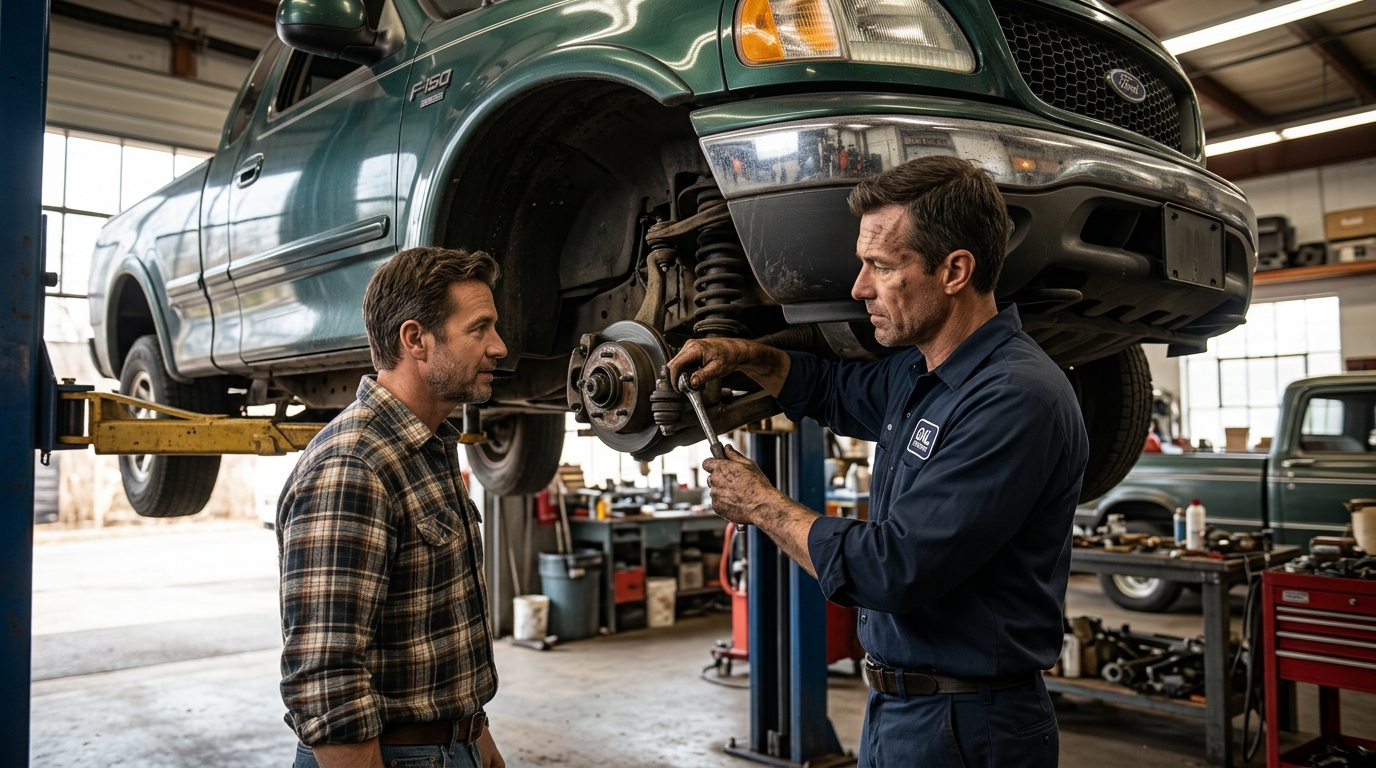
Truck suspension repair mistakes often stem from ignoring early warning signs, using incorrect parts, or skipping proper alignment. These errors lead to premature wear, unsafe handling, and costly repeat repairs. GNL Auto Service in Walpole, MA, helps drivers avoid these pitfalls through precise diagnostics and quality components. Understanding the failure points allows you to protect your vehicle's longevity and safety.
Ignoring Early Warning Signs
Many drivers dismiss subtle changes in ride quality as normal aging. Suspension wear is a gradual process that signals underlying component fatigue. A truck that feels bouncy or leans excessively in turns is asking for attention. Ignoring these cues allows minor issues to cascade into major structural damage. For additional details, review the .
Choosing the Wrong Replacement Parts
Using incorrect parts is a critical error that compromises safety. Suspension components must match the vehicle's specific load ratings and geometry. An OEM part is a component manufactured by the original vehicle maker to exact specifications. Using a generic or lower-grade part may save money upfront but often fails under heavy loads. This is especially true for trucks used for towing or hauling. For additional details, review the Customer Experience.
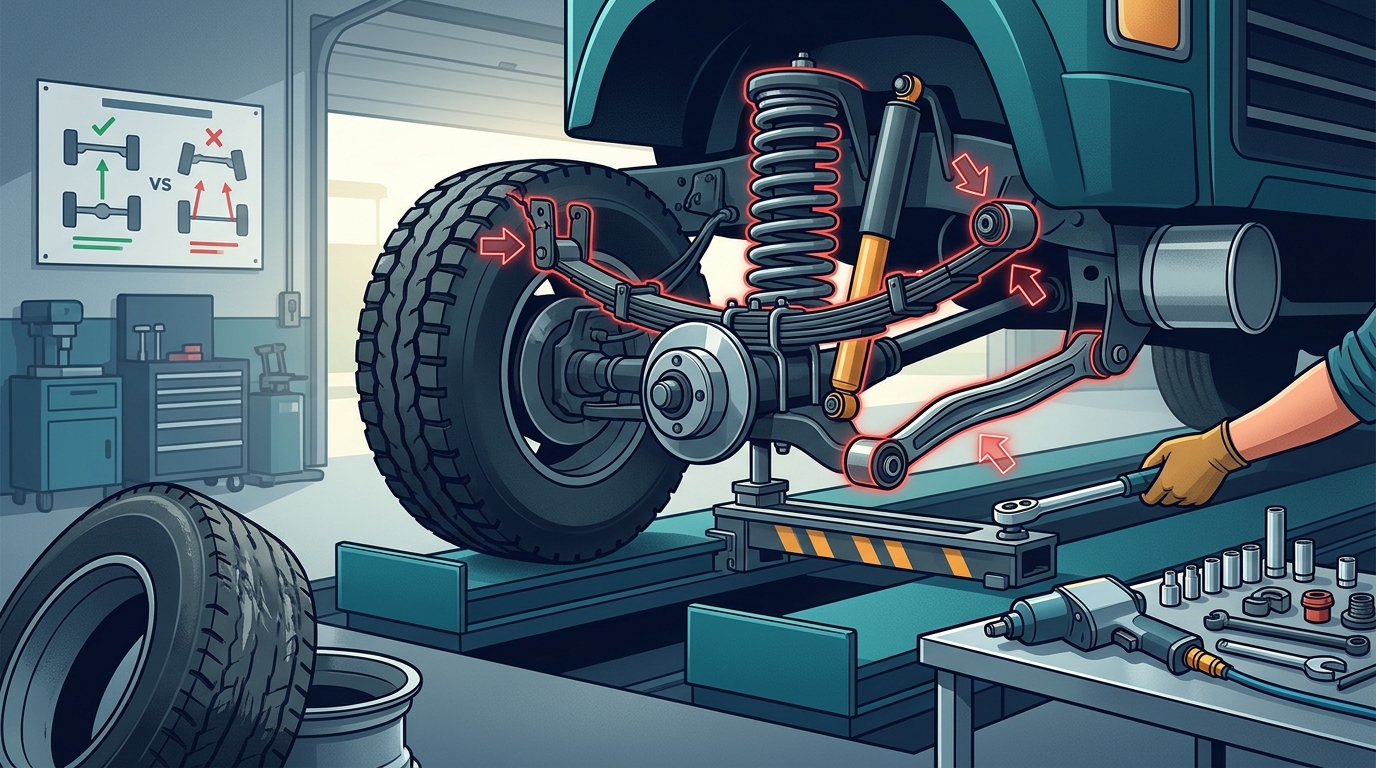
Consider the difference between a standard shock absorber and a heavy-duty unit. A standard shock may not handle the increased stress of a loaded truck bed. This mismatch leads to bottoming out and accelerated wear on other components. Selecting parts that match your driving habits and load requirements is essential. GNL Auto Service recommends parts that align with your specific usage patterns to ensure durability. For additional details, review the Frequently Asked Questions.
Skipping Proper Wheel Alignment
Replacing suspension parts without a wheel alignment is a common oversight. Alignment is the adjustment of wheel angles to meet the manufacturer's specifications. Without it, new tires and suspension components will wear unevenly. This renders the repair ineffective and shortens the life of your new parts. The cost of a simple alignment is negligible compared to the cost of replacing tires prematurely.
For instance, a slight toe-in error can cause feathering on the tire edges. This wear pattern is distinct and indicates an alignment issue. If you replace the control arms but do not align the wheels, the new parts will be subjected to lateral forces they were not designed to handle. This leads to premature failure. Always schedule an alignment after any suspension work to ensure optimal performance.
Neglecting Regular Maintenance
Suspension systems require regular inspection to function correctly. Many drivers only visit a shop when a problem is obvious. This reactive approach misses early signs of wear. A suspension inspection is a visual and mechanical check of all suspension components. It identifies cracks, leaks, and loose hardware before they cause failure. Regular maintenance is among the most effective way to avoid unexpected breakdowns.
For example, a small leak in a shock absorber may not affect ride quality immediately. However, it indicates internal seal failure. If left unchecked, the shock will eventually lose its damping ability. This leads to a harsh ride and reduced tire contact with the road. Scheduling periodic inspections ensures that minor issues are caught early. This proactive strategy extends the life of your entire suspension system.
Key Takeaways
- Do not ignore subtle changes in ride quality or handling.
- Use OEM or high-quality parts that match your vehicle's load requirements.
- Always perform a wheel alignment after suspension repairs.
- Schedule regular suspension inspections to catch early wear.
- Address clunking noises and uneven tire wear immediately.
- Choose a reputable shop with experience in your specific truck model.
Frequently Asked Questions
How often should I inspect my truck's suspension?
It is recommended to have your suspension inspected at least once a year or every 12,000 miles. More frequent inspections are advisable if you drive on rough roads or carry heavy loads regularly.
Can I drive with a bad shock absorber?
While you can drive with a bad shock, it is not recommended. A failed shock reduces tire grip and increases stopping distance. It also causes uneven wear on other suspension components.
What is the difference between OEM and aftermarket parts?
OEM parts are made by the vehicle manufacturer and meet exact specifications. Aftermarket parts are made by third-party companies. Quality varies widely among aftermarket brands, so choose reputable manufacturers.
Why does my truck clunk over bumps?
Clunking is often caused by worn bushings, ball joints, or loose hardware. These components allow excessive movement, creating noise when the suspension compresses and extends.
Do I need a new alignment after replacing control arms?
Yes, a wheel alignment is necessary after replacing control arms. The new parts may have slightly different geometry, requiring adjustment to ensure proper tire contact and handling.
Conclusion
Avoiding truck suspension repair mistakes requires attention to detail and proper maintenance. By addressing early warning signs, choosing quality parts, and scheduling regular inspections, you can extend the life of your vehicle. GNL Auto Service in Walpole, MA, provides the expertise and quality components needed to keep your truck running safely. Visit our homepage to learn more about our services and schedule an appointment today.