
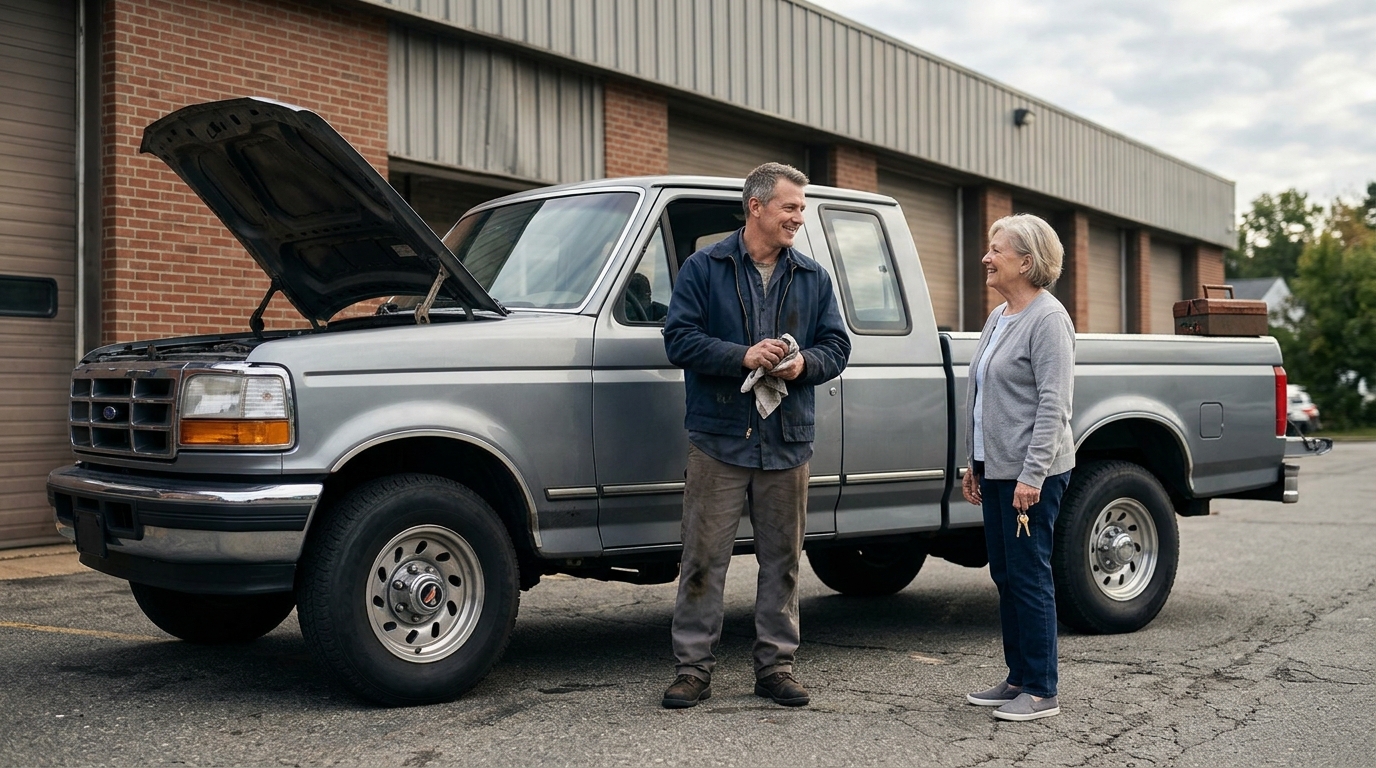
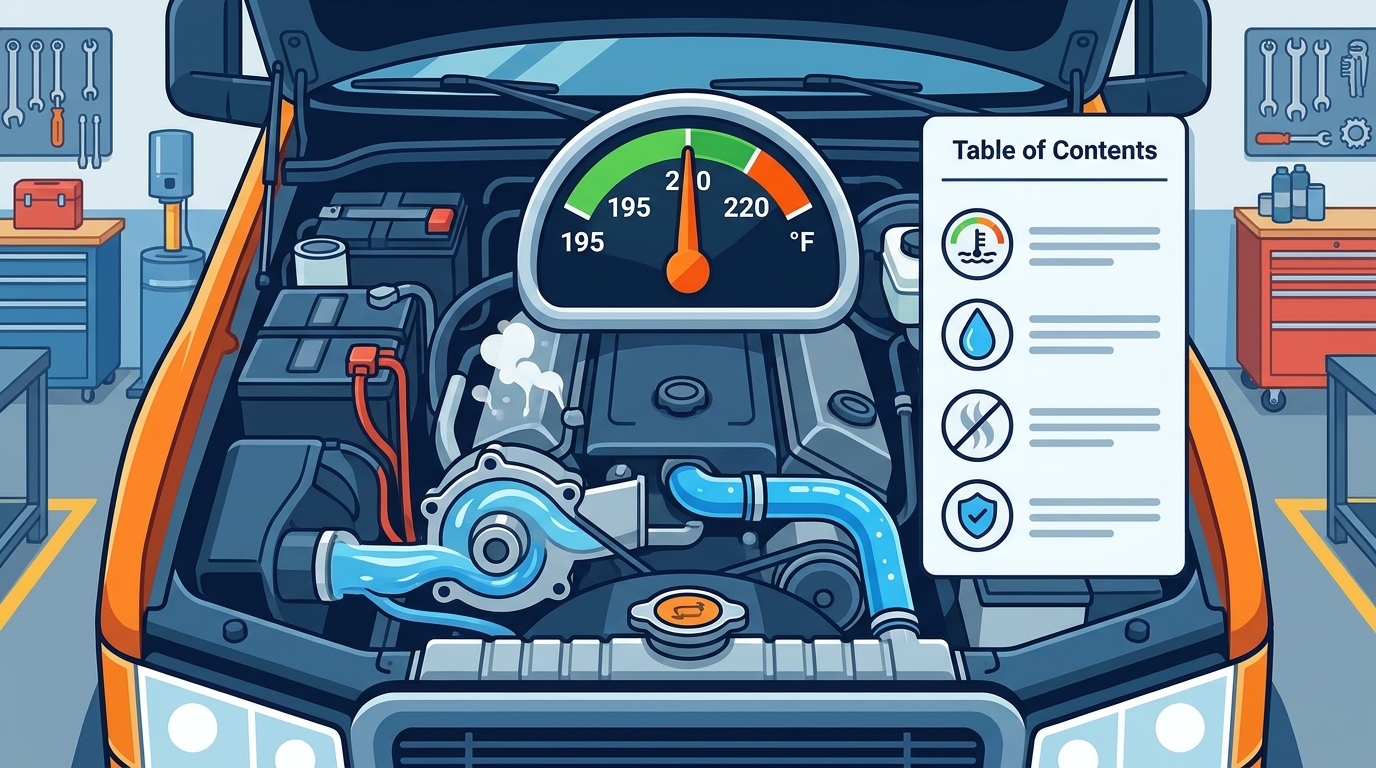
After a professional repair, your truck should maintain a stable operating temperature between 195 and 220 degrees Fahrenheit under normal driving conditions. You will notice the temperature gauge staying in the middle zone, the absence of sweet coolant smells, and no visible steam from the hood. GNL Auto Service in Walpole, MA, focuses on restoring these baseline metrics to ensure your vehicle runs reliably for the long term.
Immediate Temperature Stabilization
The most critical result of an overheating repair is the restoration of normal thermal regulation. A healthy cooling system keeps the engine within a specific range, preventing the thermal stress that causes metal warping. When the thermostat, radiator, or water pump is replaced, the engine should reach its operating temperature quickly and hold it steady. Drivers often report that the gauge no longer fluctuates wildly during stop-and-go traffic or on long highway drives. For additional details, review the .
At GNL Auto Service, technicians verify this stability by monitoring the system under load. This ensures that the new components are functioning correctly before the vehicle leaves the shop. If the temperature remains high after the repair, it indicates a secondary issue that requires further diagnosis. Consistent temperature readings are the primary indicator that the core problem has been resolved. For additional details, review the Customer Experience.
Restoration of Engine Performance
Overheating often triggers the engine computer to enter limp mode, reducing power to protect the engine. Once the cooling system is fixed, this protective mode should deactivate, restoring full horsepower and torque. You should feel a noticeable improvement in acceleration and responsiveness. The engine will no longer feel sluggish or strained during climbs or when towing. For additional details, review the Frequently Asked Questions.
For trucks used for work or hauling, this performance recovery is essential. A properly cooled engine runs more efficiently, which can also lead to better fuel economy. GNL Auto Service emphasizes that performance restoration is a key part of the repair outcome. If the truck still feels weak after the cooling fix, other systems like the fuel or ignition systems may need attention. However, the primary focus remains on ensuring the engine is no longer thermally limited. For additional details, review the About.
Long-Term Component Longevity
Ignoring overheating leads to severe damage, including warped cylinder heads and blown head gaskets. A successful repair prevents this catastrophic failure, extending the life of the engine. The head gasket, which seals the combustion chambers, is particularly vulnerable to heat. By maintaining proper coolant flow and temperature, you protect this critical seal. This prevents expensive internal engine repairs down the road.
Long-term reliability is the ultimate goal of any automotive repair. GNL Auto Service advises customers to monitor their vehicles for the first few weeks after the repair. Regular checks of the coolant level and temperature gauge help confirm that the fix is holding. This proactive approach ensures that the investment in the repair translates into years of dependable service. A well-maintained cooling system is the backbone of engine longevity.
Diagnostic Verification and Testing
A reputable shop will not simply replace a part and send you on your way. They will perform a pressure test on the cooling system to check for leaks. This test ensures that the radiator, hoses, and water pump are holding pressure correctly. Any leaks, even small ones, can lead to future overheating. The pressure test provides objective evidence that the system is sealed and secure.
Key Takeaways
- Expect the temperature gauge to stay in the middle zone, between 195 and 220 degrees Fahrenheit.
- Full engine power and responsiveness should return once the engine exits limp mode.
- The repair prevents long-term damage to the head gasket and cylinder heads.
- A pressure test is a standard verification step to ensure no leaks remain.
- Monitor the vehicle for the first few weeks to confirm the fix is holding.
- Consistent temperature readings are the primary indicator of a successful repair.
Frequently Asked Questions
How long does it take for a truck to run normally after an overheating repair?
Most trucks run normally immediately after the repair. The engine computer may take a short drive to clear any temporary limp mode settings. You should notice stable temperatures and full power within the first few miles of driving.
What is the ideal operating temperature for a truck engine?
The ideal operating temperature is typically between 195 and 220 degrees Fahrenheit. This range allows the engine to run efficiently and burn fuel completely. If the gauge is consistently higher or lower, it may indicate a thermostat issue.
Will my fuel economy improve after fixing the overheating?
Yes, fuel economy often improves. An overheating engine runs less efficiently and may trigger protective modes that reduce performance. Once the cooling system is fixed, the engine returns to its optimal efficiency range.
How can I tell if the repair was successful?
Check the temperature gauge during normal driving. It should stay in the middle zone. Also, look for any signs of coolant leaks or steam. If the temperature remains stable and there are no leaks, the repair was likely successful.
Do I need to replace the coolant after an overheating repair?
Yes, the coolant is usually flushed and replaced during the repair. Old coolant may contain contaminants or have degraded. Fresh coolant ensures proper heat transfer and corrosion protection for the new components.
What should I do if the truck overheats again after the repair?
Contact the repair shop immediately. A reputable shop will investigate the issue under warranty. Do not drive the truck if it is overheating, as this can cause severe engine damage. Bring it in for a diagnostic check as soon as possible.
Next Steps for Your Truck
Understanding what to expect after an overheating repair helps you verify the quality of the work. GNL Auto Service in Walpole, MA, is committed to delivering these measurable results for your vehicle. If you are experiencing temperature issues, our team is ready to diagnose and fix the problem. Contact GNL Auto Service to schedule your repair and get your truck back on the road with confidence.