
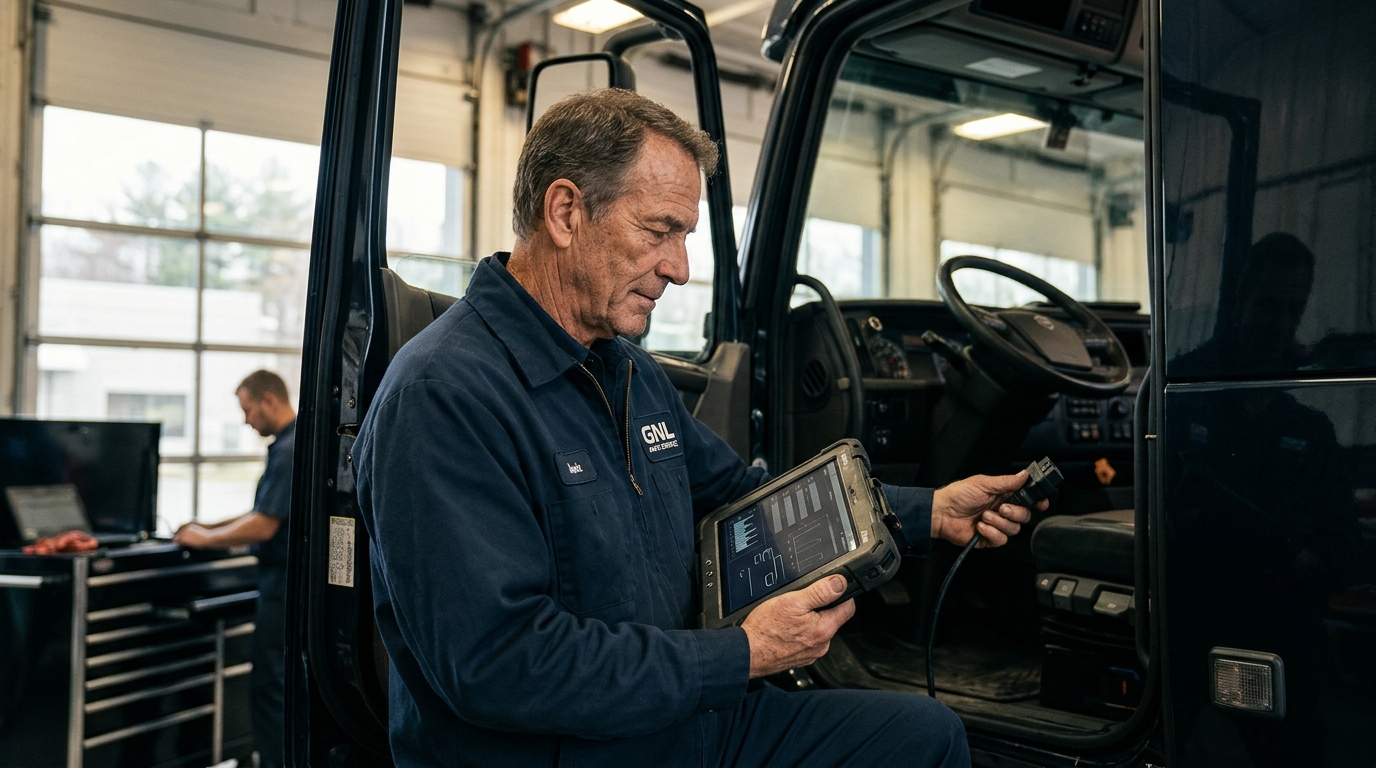
A comprehensive truck diagnostic scan reads live data, stored fault codes, and system readiness to pinpoint the exact source of a malfunction. It moves beyond a simple check engine light to identify specific sensor failures, emission issues, or mechanical faults. At GNL Auto Service in Walpole, MA, technicians use these tools to provide clear, accurate repair recommendations for your vehicle.
The Role of Diagnostic Scanners in Modern Trucks
Modern trucks rely on complex electronic networks to manage engine performance, emissions, and safety systems. A diagnostic scanner is a specialized tool that communicates with the vehicle's onboard computer, known as the Engine Control Module. This device allows technicians to access real-time data and historical fault records that are invisible to the average driver. Understanding this communication layer is the first step in diagnosing complex truck issues.
How Scanners Communicate with Vehicles
Diagnostic scanners use standardized protocols to exchange data with the truck's computer. This connection enables the reading of both current and historical trouble codes. As noted by UTI, these tools are essential for technicians to understand the vehicle's internal state. The scanner acts as a translator, converting raw electronic signals into readable diagnostic information.
Decoding Fault Codes and Live Data
The Importance of Accurate Identification
Accurate identification of the malfunctioning part is critical to avoid unnecessary repairs. According to PTT, diagnostic tools allow mechanics to accurately identify which part of the vehicle is malfunctioning. This precision ensures that the repair addresses the root cause rather than just the symptom. For truck owners, this means fewer repeat visits and lower long-term maintenance costs.
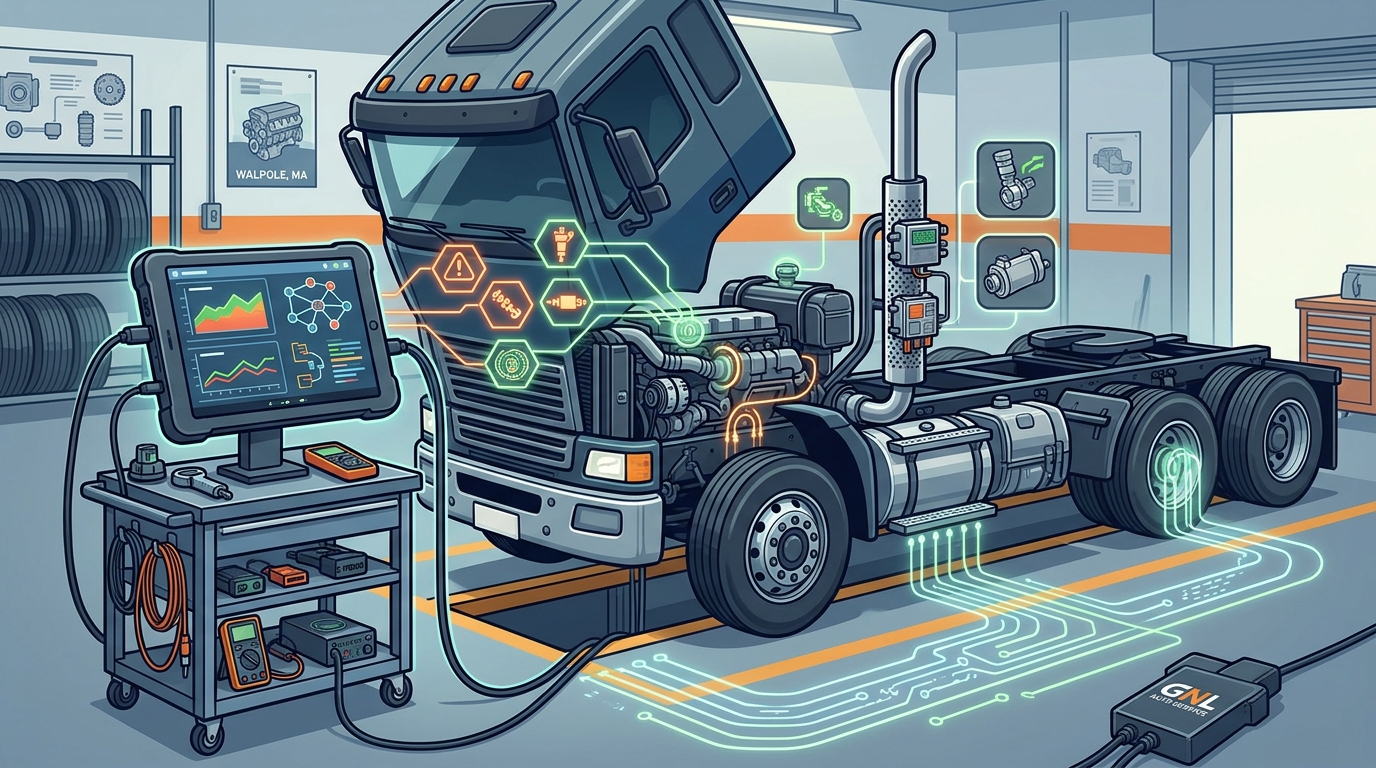
System Readiness and Emission Compliance
A comprehensive scan also evaluates the readiness of various emission control systems. These systems, including the catalytic converter and evaporative emissions system, must be fully operational for the vehicle to pass state inspections. The diagnostic scan reveals whether these systems have completed their self-tests since the last code clear. This information is vital for ensuring your truck remains compliant with environmental regulations.
Monitoring Emission Control Systems
Trucks are subject to strict emission standards, and the diagnostic scan provides a detailed report on compliance. Technicians use this data to verify that all emission-related components are functioning within specified parameters. If a system is not ready, the scan will indicate which specific test needs to be completed. This proactive approach helps prevent failed inspections and potential fines.
Common Truck Issues Identified by Scans
Diagnostic scans frequently reveal issues that are not immediately apparent to the driver. Common findings include intermittent sensor failures, fuel delivery inconsistencies, and transmission shift problems. For example, a scan might detect a slight lean condition in the fuel mixture that could lead to engine damage if left unaddressed. Identifying these subtle issues early is a key benefit of comprehensive diagnostics.
Early Detection of Mechanical Problems
Early detection of mechanical problems can prevent costly repairs down the line. A scan can identify early signs of wear in components like the mass airflow sensor or the throttle position sensor. By addressing these issues before they escalate, truck owners can maintain optimal performance and fuel efficiency. This preventive approach is a core part of the service philosophy at GNL Auto Service.
Key Takeaways
- A comprehensive diagnostic scan reads live data and fault codes to pinpoint specific malfunctions.
- Diagnostic scanners communicate with the vehicle's onboard computer to access real-time data.
- Accurate identification of the faulty component prevents unnecessary repairs.
- System readiness checks ensure emission compliance and inspection readiness.
- Early detection of subtle issues can prevent major mechanical failures.
- Professional diagnostics provide clear, actionable repair recommendations.
Frequently Asked Questions
What is a diagnostic scanner?
A diagnostic scanner is a tool that communicates with a vehicle's onboard computer to read fault codes and live data.
How does a scan help identify truck problems?
A scan analyzes live data streams and stored fault codes to isolate the exact component causing a malfunction.
What is system readiness in a diagnostic scan?
System readiness refers to the status of emission control systems and whether they have completed their self-tests.
Can a scan detect intermittent issues?
Yes, a comprehensive scan can detect intermittent issues by analyzing historical data and live readings.
Why is accurate diagnosis important for trucks?
Accurate diagnosis ensures that repairs address the root cause, preventing unnecessary costs and repeat visits.
How often should I get a diagnostic scan?
It is recommended to get a diagnostic scan when the check engine light comes on or during routine maintenance.
What does GNL Auto Service offer for truck diagnostics?
GNL Auto Service offers professional diagnostic services to identify and repair truck issues with precision.
Conclusion
A comprehensive truck diagnostic scan is an essential tool for identifying and resolving vehicle problems. It provides detailed insights into the health of your truck's systems, ensuring accurate and efficient repairs. At GNL Auto Service, we leverage advanced diagnostic technology to deliver reliable, expert care for your vehicle. Trust our team to keep your truck running at its best.