

ASE Certified Technician Diagnostics for Check Engine Lights
ASE certified technicians use standardized diagnostic protocols to identify the root cause of a check engine light. They begin by reading stored diagnostic trouble codes, then verify the issue through live data and physical inspection. This systematic approach prevents unnecessary part replacements and ensures the repair addresses the actual mechanical or electrical failure. For additional details, review the .
The Diagnostic Process
ASE certification is a national standard that validates a technician's ability to perform specific automotive tasks. When a check engine light illuminates, an ASE certified technician does not simply guess. They follow a structured workflow designed to isolate the fault accurately. For additional details, review the Customer Experience.
Reading Diagnostic Trouble Codes
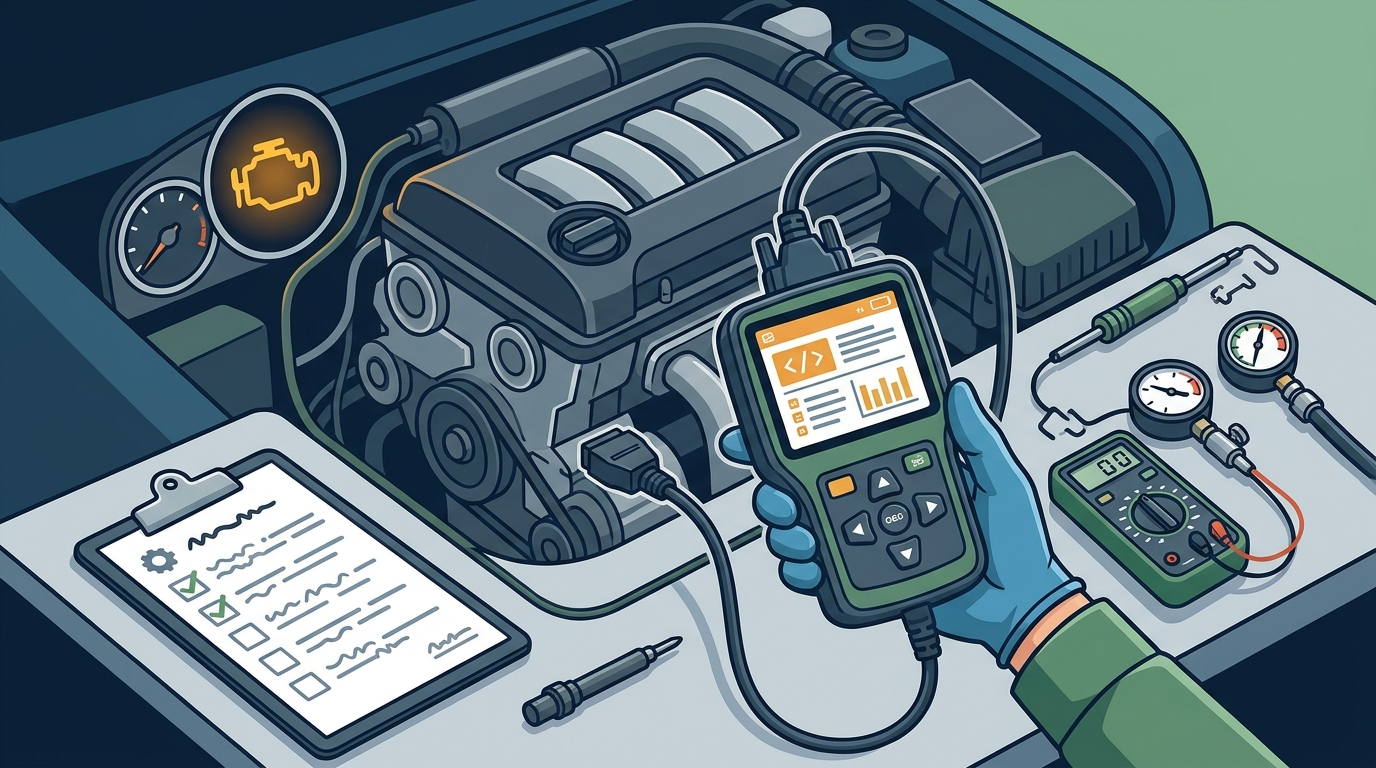
The first step involves connecting a scan tool to the vehicle's onboard diagnostic port. The tool retrieves Diagnostic Trouble Codes, or DTCs, which are alphanumeric identifiers for specific system failures. A single code often points to a sensor, but the technician must verify if the code is active or historical.
Live Data Analysis
Codes provide a starting point, but live data confirms the issue. Technicians monitor sensor readings in real time to see if values fall outside normal parameters. For example, an oxygen sensor code might show a voltage that remains static, indicating a failed sensor rather than a rich fuel condition.
Physical Inspection
Electrical data must be cross-referenced with physical components. Technicians inspect wiring harnesses, connectors, and mechanical parts for damage, corrosion, or wear. This step is critical because a loose connector can mimic a failed sensor, leading to incorrect repairs if ignored.
Common Causes and Symptoms
Understanding what triggers the light helps drivers communicate effectively with their mechanic. The most frequent causes involve the emissions system, but mechanical issues can also trigger the warning.
Emissions System Failures
The catalytic converter and oxygen sensors are primary culprits. A failing catalytic converter often triggers a P0420 code, indicating the converter is not meeting efficiency thresholds. This component is expensive, so accurate diagnosis is essential to avoid replacing a healthy unit.
Ignition System Issues
Spark plugs and ignition coils can cause misfires, which illuminate the check engine light. A misfire code, such as P0301, indicates a specific cylinder is not firing correctly. Ignoring this can lead to severe engine damage and catalytic converter failure.
Sensor and Wiring Faults
Modern vehicles rely on dozens of sensors to manage engine performance. The Mass Air Flow sensor, for instance, measures the air entering the engine. If this sensor fails, the engine computer cannot calculate the correct fuel mixture, leading to poor performance and increased emissions.
The Value of Certification
ASE certification is not just a badge; it represents a commitment to ongoing education and standardized skill levels. The National Institute for Automotive Service Excellence administers these tests, ensuring technicians meet rigorous benchmarks.
Standardized Knowledge
Certified technicians have passed exams covering engine performance, electrical systems, and emissions. This standardized knowledge base ensures they understand the interplay between different vehicle systems. A non-certified mechanic might fix a symptom, but a certified technician addresses the root cause.
Continuing Education
Automotive technology evolves rapidly, requiring technicians to stay current. ASE certification requires periodic renewal, which encourages technicians to update their skills. This ensures they are familiar with the latest diagnostic tools and vehicle platforms.
GNL Auto Service Approach
At GNL Auto Service in Walpole, MA, our ASE certified technicians apply these rigorous standards to every vehicle. We focus on accurate diagnosis before recommending any repair, ensuring you only pay for what is necessary.
Comprehensive Diagnostics
Our shop is equipped with advanced diagnostic tools that provide detailed live data and component testing. We take the time to verify every code and inspect every related component. This thoroughness prevents the common issue of replacing parts that are not actually faulty.
Local Expertise
With over 15 years of experience serving the Walpole community, we understand the specific challenges local drivers face. From salt damage to stop-and-go traffic wear, we tailor our diagnostics to address real-world conditions. Our goal is to keep your vehicle running reliably for years to come.
Key Takeaways
- ASE certification validates a technician's standardized knowledge and skill level.
- Diagnosis begins with reading DTCs but requires live data verification.
- Physical inspection of wiring and components is crucial for accurate repair.
- Catalytic converters and oxygen sensors are common but expensive causes.
- Ignition misfires can cause severe engine damage if ignored.
- Certified technicians undergo continuing education to stay current with technology.
- Accurate diagnosis prevents unnecessary part replacements and saves money.
Frequently Asked Questions
What is an ASE certified technician?
An ASE certified technician is a professional who has passed standardized exams administered by the National Institute for Automotive Service Excellence, demonstrating proficiency in specific automotive repair areas.
How long does a check engine light diagnosis take?
A basic code read takes minutes, but a thorough diagnosis involving live data and physical inspection can take one to two hours, depending on the complexity of the issue.
Can I drive with the check engine light on?
If the light is steady, you can usually drive cautiously while scheduling a repair. If the light is flashing, it indicates a severe misfire, and you should stop driving immediately to prevent engine damage.
Do ASE certified technicians cost more?
While hourly rates may vary, certified technicians often save money by preventing incorrect repairs. Their accuracy ensures you only pay for necessary parts and labor.
What is the difference between a code and a fault?
A code is a stored identifier for a system anomaly, while a fault is the actual physical or electrical failure causing the anomaly. A code can be cleared, but the fault must be repaired to prevent the light from returning.
How often should I get my vehicle diagnosed?
Regular maintenance intervals are best for preventing issues. However, if the check engine light illuminates, you should have the vehicle diagnosed promptly to avoid potential damage.
Conclusion
Accurate diagnosis is the foundation of reliable automotive repair. By working with ASE certified technicians, you ensure that your vehicle's issues are identified and resolved with precision. GNL Auto Service in Walpole, MA, provides this level of expertise, helping you maintain your vehicle's performance and longevity. Trust the certified professionals to keep your car running strong.