
Where to Find Experienced Mechanics for GMC and Cadillac Cooling System Repairs
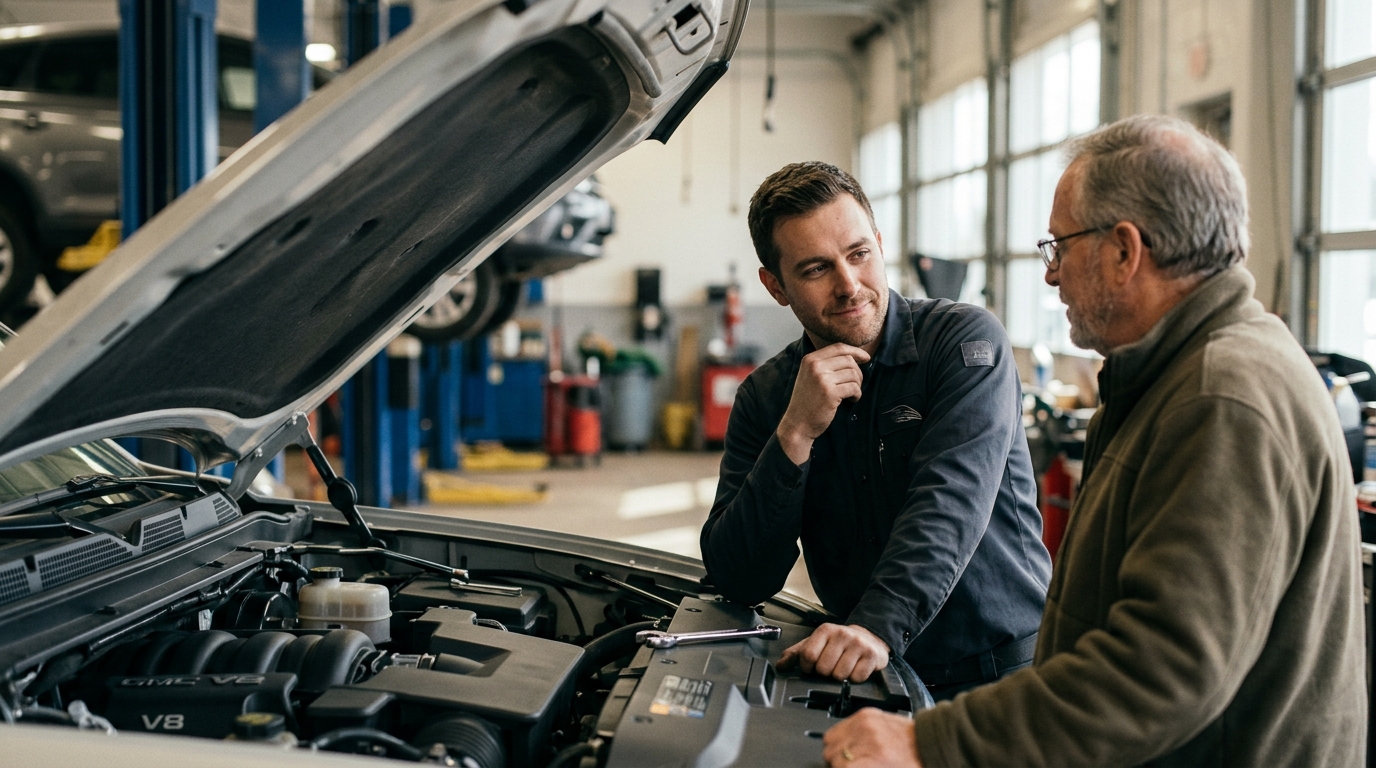
Experienced mechanics for GMC and Cadillac cooling system repairs are available at specialized local shops like GNL Auto Service in Walpole, MA. These professionals possess specific training in General Motors architecture, ensuring accurate diagnostics for complex cooling components. This guide covers how to select the right technician, verify credentials, understand costs, and navigate the repair process effectively.
How to Choose the Right Mechanic
Choosing a mechanic for cooling system repairs requires looking beyond generic auto repair. A cooling system repair is a specialized procedure involving pressure testing, fluid exchange, and component replacement that demands specific technical knowledge. For GM vehicles, the architecture of the engine bay and the specific cooling loops differ significantly from other manufacturers. You need a shop that understands these nuances. For additional details, review the About.
Specialization in GM Vehicles
General Motors vehicles, including GMC and Cadillac, often share engine platforms but have distinct cooling requirements. A shop that specializes in these brands will have the specific tools and software needed for accurate diagnostics. GNL Auto Service in Walpole, MA, focuses on professional automotive repair with a strong emphasis on GM models. This specialization ensures that the technicians are familiar with the common failure points in these specific vehicles.
Experience and Local Reputation
Experience is a critical factor in mechanical reliability. A shop with over 15 years of local presence, such as GNL Auto Service, has likely handled a wide variety of cooling system issues. Look for businesses that have been in the community for a long time. Longevity often correlates with consistent quality and customer satisfaction. Check online reviews and local forums to see what other drivers in the area say about their experiences.
What to Ask Before Committing
Before handing over your keys, you should ask specific questions to gauge the shop's competence. These questions help you understand their process and ensure they are not guessing. Clear communication is a hallmark of a professional shop.
Diagnostic Capabilities
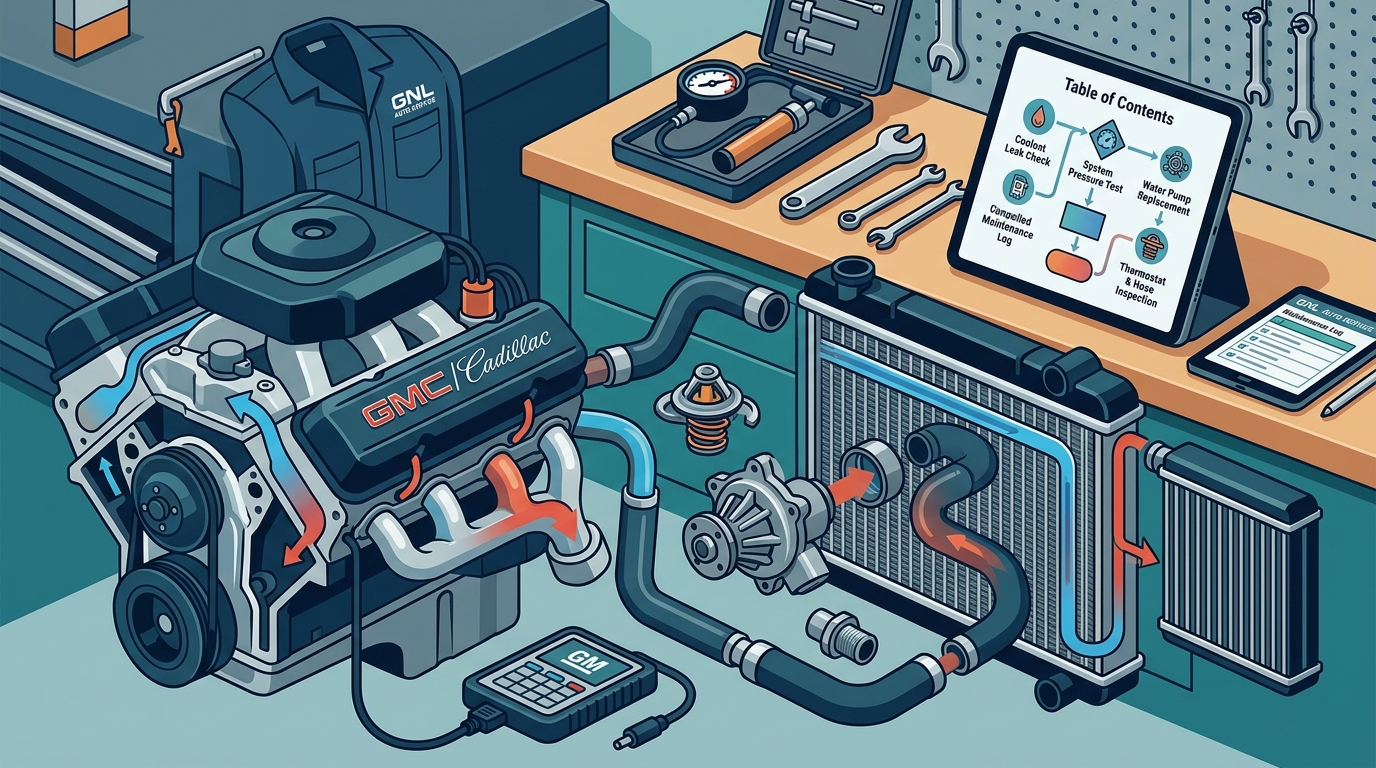
Ask if they use manufacturer-specific diagnostic software. For GM vehicles, this software can read specific codes related to cooling system performance. A shop that relies only on generic scanners may miss subtle issues. Ask how they test the system pressure and how they verify the repair after completion.
Parts Sourcing
Inquire about the source of their parts. Do they use OEM (Original Equipment Manufacturer) parts or high-quality aftermarket alternatives? For critical components like water pumps or thermostats, the quality of the part directly impacts the longevity of the repair. A reputable shop will be transparent about their parts sourcing and can explain the differences between options.
How to Verify Credentials
Verifying a mechanic's credentials ensures you are working with qualified professionals. While not all mechanics hold formal certifications, many do. These certifications indicate a level of standardized training and testing.
ASE Certification
ASE (Automotive Service Excellence) certification is a widely recognized standard in the industry. It verifies that a technician has passed rigorous exams on specific areas of automotive repair. You can ask if the technicians at the shop are ASE certified. This is a strong indicator of their technical proficiency and commitment to their craft.
Business Licensing and Insurance
Ensure the shop is properly licensed and insured. This protects you in case of any accidents or damages during the repair process. A legitimate business will have no problem providing proof of insurance and licensing. This step is crucial for your peace of mind and legal protection.
How the Repair Process Works
Understanding the repair process helps you manage expectations and communicate effectively with your mechanic. The process typically follows a logical sequence from diagnosis to final verification.
Diagnosis and Inspection
The process begins with a thorough inspection. The mechanic will check for visible leaks, inspect hoses and clamps, and test the system pressure. They may also use a UV dye to detect hidden leaks. This step is critical for identifying the root cause of the issue.
Repair and Fluid Exchange
Once the issue is identified, the repair begins. This may involve replacing a water pump, thermostat, or radiator. After the repair, the cooling system must be flushed and refilled with the correct type of coolant. The system is then pressure tested again to ensure there are no leaks. Finally, the mechanic will take the vehicle for a test drive to monitor the temperature gauge and ensure everything is operating within normal parameters.
What Cooling Repairs Cost
The cost of cooling system repairs varies widely depending on the specific issue and the vehicle model. Understanding the cost drivers helps you budget effectively and avoid surprises.
Labor vs. Parts
Price Comparison Table
| Repair Type | Estimated Labor Time | Parts Cost Range | Complexity Level |
|---|
Note: These are general estimates. Actual costs will vary based on the specific vehicle model and the shop's labor rates. Always request a detailed estimate before authorizing any work.
Common Mistakes to Avoid
Many vehicle owners make mistakes that can lead to poor repair outcomes or unnecessary costs. Being aware of these common pitfalls can help you make better decisions.
Ignoring Warning Signs
Ignoring early warning signs, such as a slightly elevated temperature gauge or a small coolant leak, can lead to major engine damage. Overheating can warp cylinder heads and damage the engine block. Addressing issues early is always cheaper and less stressful than dealing with catastrophic failure.
Choosing the Cheapest Option
Choosing a shop solely based on the lowest price can be a mistake. Low prices may indicate the use of low-quality parts or inexperienced technicians. This can lead to repeat repairs and higher long-term costs. It is better to pay a fair price for quality work that is done right the first time.
Local Shops vs. Dealerships
When deciding where to take your vehicle, you have two main options: independent local shops and manufacturer dealerships. Each has its own advantages and disadvantages.
Independent Local Shops
Dealerships
Dealerships use OEM parts and have access to the latest manufacturer technical bulletins. They may be the best choice for vehicles under warranty. However, they often have higher labor rates and less flexible scheduling. For older vehicles out of warranty, independent shops are often a more cost-effective option.
Handling Specific Vehicle Scenarios
Different vehicle scenarios require different approaches to cooling system repairs. Understanding these nuances helps you communicate effectively with your mechanic.
High-Performance Models
High-performance Cadillac models may have more complex cooling systems designed to handle higher heat loads. These vehicles may require specific types of coolant and more frequent inspections. A mechanic experienced with performance vehicles will understand these specific requirements.
Older Vehicles
Older GMC and Cadillac models may have worn components that are no longer available as new. In these cases, a mechanic may need to source used or refurbished parts. They should be able to advise you on the best options for maintaining an older vehicle.
Consumer Protections and Rules
As a consumer, you have certain rights and protections when having your vehicle repaired. Understanding these rules helps you ensure fair treatment.
Right to a Written Estimate
You have the right to request a written estimate before any work begins. This estimate should detail the labor and parts costs. If the actual cost exceeds the estimate by a certain percentage, the shop should contact you for approval before proceeding.
Right to Old Parts
You have the right to request that your old parts be returned to you. This allows you to verify that the parts were actually replaced. Some shops may charge a small fee for this service, but it is a good way to ensure transparency.
Local Specifics for Walpole and Norfolk County
Climate Considerations
The New England climate, with its cold winters and hot summers, places specific demands on cooling systems. Vehicles in this region need to be able to handle extreme temperature swings. A local mechanic will be familiar with these conditions and can advise you on the best maintenance practices for your area.
Community Trust
In a smaller community like Walpole, word of mouth is a powerful tool. Shops that provide quality service build a strong reputation in the local community. GNL Auto Service has built its reputation on professional workmanship and clear recommendations. This local trust is a valuable asset for vehicle owners.
Timing Your Repairs
Timing is crucial when it comes to cooling system repairs. Acting at the right time can save you money and prevent major damage.
Seasonal Maintenance
It is a good idea to have your cooling system inspected in the spring, before the hot summer months. This ensures that your system is ready to handle the increased heat load. Similarly, a check in the fall can prepare your vehicle for the winter, ensuring that the coolant is the correct type and concentration.
Immediate Action
If you notice any signs of a cooling system issue, such as a temperature gauge reading high or a coolant leak, you should act immediately. Delaying repairs can lead to severe engine damage. Do not wait for the problem to get worse. Contact a professional mechanic as soon as possible.
Long-Term Results and Maintenance
Proper cooling system maintenance leads to long-term reliability and performance. By following a consistent maintenance schedule, you can extend the life of your vehicle and avoid costly repairs.
Regular Inspections
Regular inspections help catch small issues before they become big problems. A mechanic can check for early signs of wear and recommend preventive maintenance. This proactive approach is the best way to ensure long-term reliability.
Consistent Fluid Changes
Changing the coolant at the recommended intervals is essential for preventing corrosion and maintaining heat transfer efficiency. Over time, coolant breaks down and loses its protective properties. Regular fluid changes ensure that your cooling system continues to perform optimally.
Key Takeaways
- Choose a mechanic with specific experience in GM vehicles, such as GMC and Cadillac.
- Verify the shop's credentials, including ASE certification and proper licensing.
- Ask specific questions about their diagnostic process and parts sourcing.
- Understand the cost drivers, including labor and parts, and request a detailed estimate.
- Avoid common mistakes like ignoring warning signs or choosing the cheapest option.
- Consider the advantages of local independent shops versus dealerships.
- Be aware of consumer protections, such as the right to a written estimate and old parts.
- Time your repairs strategically, especially before extreme weather seasons.
Frequently Asked Questions
What is the most common cooling system issue in GMC and Cadillac vehicles?
The most common issues are water pump failure and thermostat malfunction. These components are subject to wear and tear over time and can fail without much warning. Regular inspections can help catch these issues early.
How often should I have my cooling system inspected?
It is recommended to have your cooling system inspected at least once a year, or every 12,000 miles. More frequent inspections may be necessary if you drive in extreme conditions or if your vehicle is older.
Can I drive my vehicle if it is overheating?
No, you should not drive your vehicle if it is overheating. Overheating can cause severe engine damage. If your temperature gauge reads high, pull over safely, turn off the engine, and allow it to cool down. Then, contact a professional mechanic for assistance.
What is the difference between OEM and aftermarket parts?
How long does a cooling system repair take?
The time required for a repair depends on the specific issue. A simple coolant flush may take a few hours, while a water pump replacement can take a full day or more. Your mechanic should provide an estimate of the time required before starting the work.
Do I need to use a specific type of coolant?
Yes, you should use the type of coolant recommended by your vehicle manufacturer. Using the wrong type of coolant can cause corrosion and damage to your cooling system. Check your owner's manual for the specific coolant specification.
How can I find a reliable mechanic in Walpole, MA?
You can find a reliable mechanic by researching local shops, reading online reviews, and asking for recommendations from friends and family. GNL Auto Service is a well-regarded option in the area, known for its professional workmanship and focus on GM vehicles.