
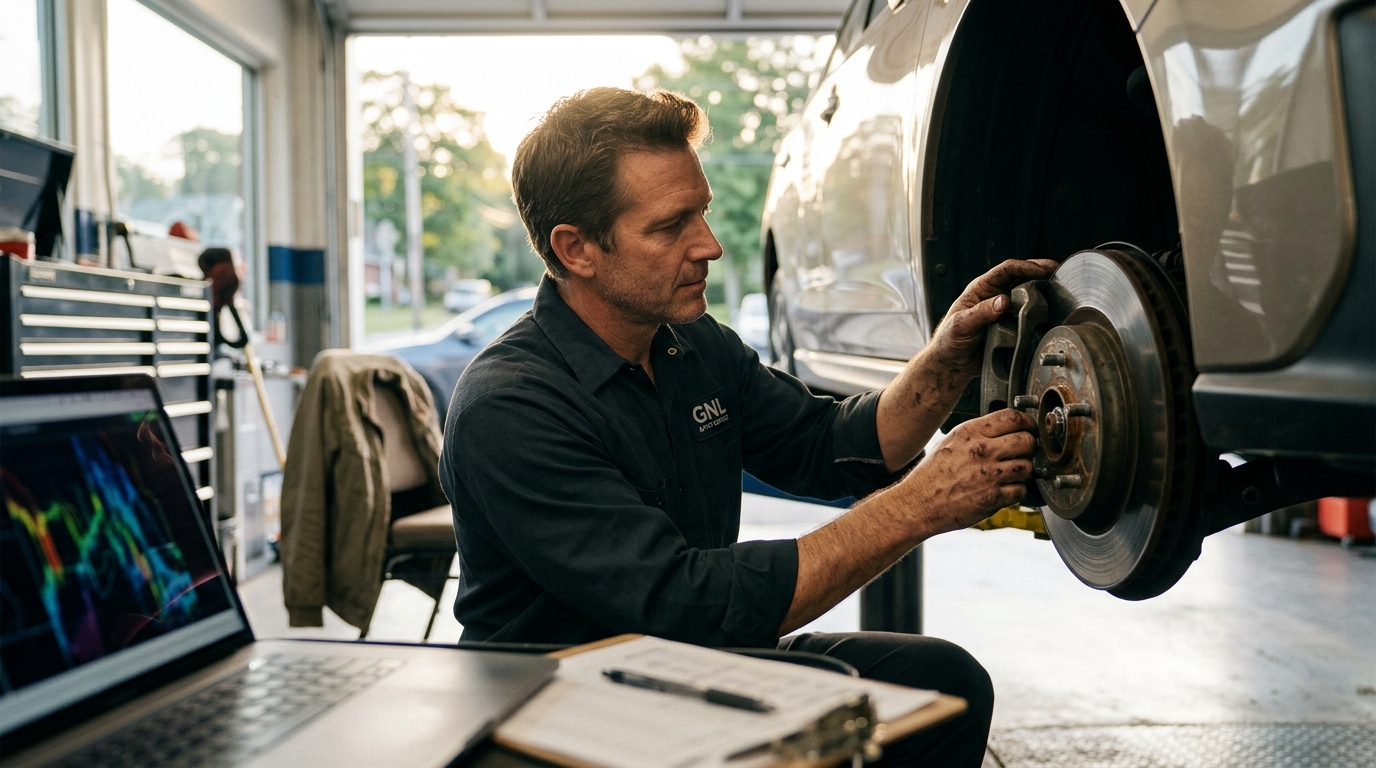
GNL Auto Service in Walpole, MA, performs full brake inspections including rotors and pads. This guide explains the inspection process, regulatory standards, and maintenance schedules. It covers how to identify wear, the importance of regular checks, and why local expertise matters for your vehicle's safety.
Brake Inspection Services
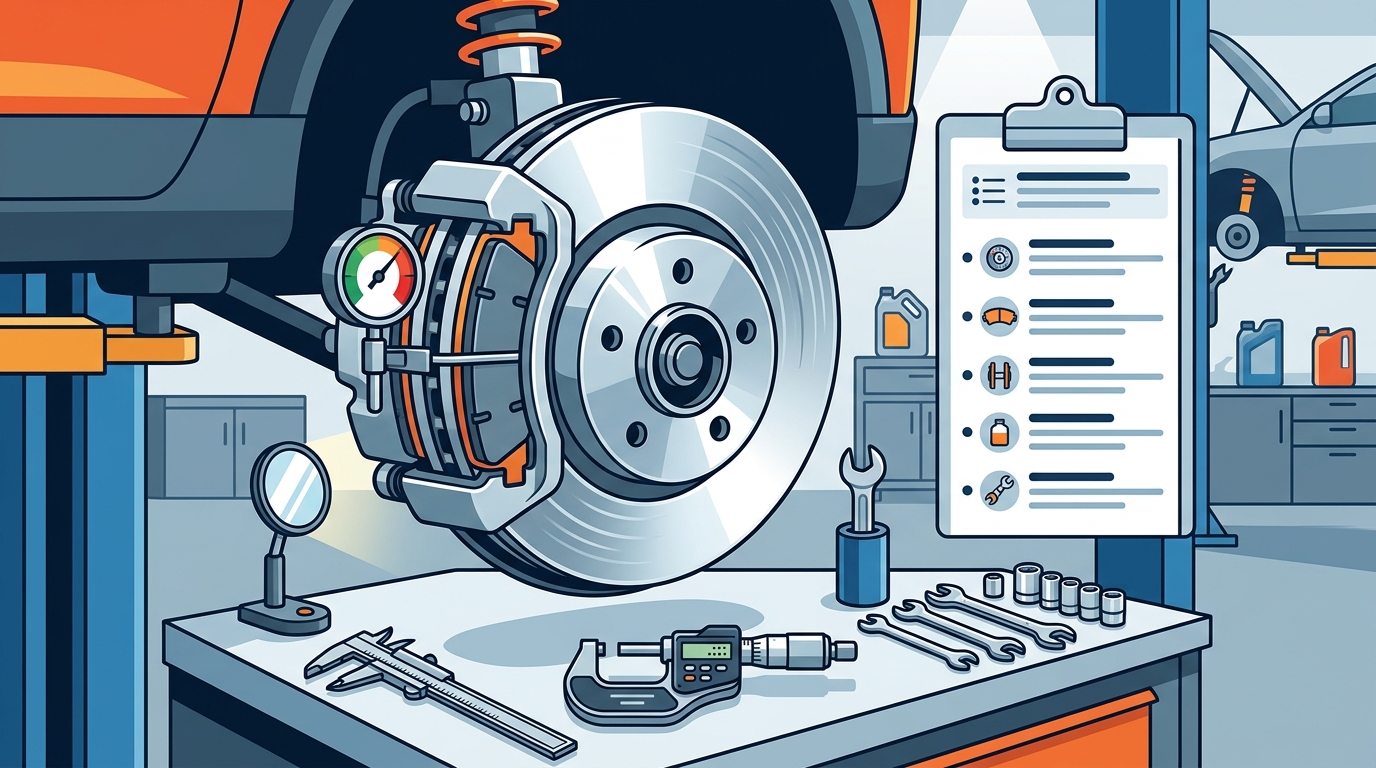
Brake inspection is a systematic evaluation of the braking system to ensure safe operation. At GNL Auto Service, our technicians perform detailed checks on every component. We examine the condition of pads, rotors, calipers, and hydraulic lines. This process goes beyond a simple visual check. We measure thickness and assess wear patterns to provide accurate recommendations. For additional details, review the .
The Inspection Process
Our inspection begins with a visual assessment of the brake assembly. Technicians remove the wheel to access the rotor and caliper. They measure the remaining material on the pads and rotors. This data helps determine if parts are nearing the end of their service life. We also check for fluid leaks and hose integrity. For additional details, review the Customer Experience.
Why Local Expertise Matters
Regulatory Standards and Safety
Vehicle safety is governed by strict federal and state regulations. The Federal Motor Carrier Safety Administration sets standards for commercial vehicles. For passenger cars, state inspection programs ensure basic safety compliance. Understanding these standards helps drivers appreciate the importance of regular maintenance. For additional details, review the Frequently Asked Questions.
Federal Regulations
Massachusetts State Requirements
Massachusetts has its own inspection procedures for non-commercial motor vehicles. The 540 CMR, § 4.04 details the testing methods used during state inspections. Inspectors apply specific force to the brake pedal to test parking and service brakes. They also check the vehicle's ability to hold in gear against the brake. These tests ensure that the braking system functions correctly under standard conditions.
Component Analysis: Rotors and Pads
Brake rotors and pads are the primary friction components in your braking system. Understanding their function and wear indicators is crucial for timely maintenance. Neglecting these parts can lead to reduced stopping power and increased repair costs.
Brake Pads
Brake pads are the friction material that clamps against the rotor to slow the vehicle. They are designed to wear down over time. Most pads have a minimum thickness specification. When pads wear below this limit, they must be replaced. Worn pads can cause metal-on-metal contact with the rotor, leading to severe damage.
Brake Rotors
Brake rotors are the metal discs that the pads clamp onto. They dissipate heat generated during braking. Rotors can become warped, scored, or thinned over time. Warped rotors cause a pulsating sensation in the brake pedal. Scored rotors can reduce the effectiveness of the pads. Regular inspection helps identify these issues before they become critical.
Maintenance Schedule and Warning Signs
Regular maintenance is the best way to ensure brake longevity. While there is no single schedule for all vehicles, general guidelines can help. Most manufacturers recommend inspecting brakes every 12,000 miles or annually. However, driving habits and conditions can affect this timeline.
Warning Signs of Brake Wear
Drivers should be aware of several warning signs. Squealing or grinding noises indicate that pads are worn or debris is present. A soft or spongy brake pedal can signal air in the lines or fluid leaks. A pulling sensation when braking may indicate a stuck caliper. Ignoring these signs can lead to more expensive repairs and safety risks.
When to Replace Parts
Replacement timing depends on the condition of the components. Pads are typically replaced when they reach the minimum thickness. Rotors may need replacement if they are warped or thinned beyond specifications. At GNL Auto Service, we provide clear recommendations based on actual measurements. We help you decide when replacement is necessary versus when continued use is safe.
Key Takeaways
- GNL Auto Service in Walpole, MA, provides comprehensive brake inspections including rotors and pads.
- Federal and state regulations emphasize the importance of safe braking systems.
- Brake pads and rotors are critical friction components that require regular monitoring.
- Warning signs like squealing, grinding, or a soft pedal indicate the need for inspection.
- Regular maintenance every 12,000 miles or annually is a good baseline for most drivers.
- Local expertise helps account for specific driving conditions and wear patterns.
- Clear, honest recommendations from a trusted local shop prevent unnecessary costs.
- Ignoring brake issues can lead to severe damage and safety hazards.
Frequently Asked Questions
How often should I have my brakes inspected?
It is recommended to have your brakes inspected every 12,000 miles or annually. However, if you notice warning signs like noise or pedal changes, you should have them checked sooner. Regular inspections help catch issues before they become major problems.
What does a full brake inspection include?
A full brake inspection includes checking the thickness of pads and rotors, inspecting calipers, and testing the hydraulic system. Technicians also look for leaks, wear patterns, and overall system integrity. This comprehensive approach ensures all components are functioning safely.
Can I drive with worn brake pads?
Driving with worn brake pads is not recommended. Once pads are worn to the minimum thickness, they can damage the rotors. This leads to more expensive repairs. If you hear grinding noises, stop driving and have your brakes inspected immediately.
How do I know if my rotors are bad?
Bad rotors can cause a pulsating brake pedal, vibration, or reduced braking performance. Visual inspection may reveal scoring or warping. A professional inspection can measure rotor thickness and flatness to determine if replacement is needed.
Does GNL Auto Service handle all vehicle makes?
GNL Auto Service provides professional automotive repair for a wide range of vehicles. Our team has over 15 years of experience and can diagnose and repair brakes on most makes and models. We focus on quality workmanship and clear communication.
What are the state inspection requirements in Massachusetts?
Conclusion
Maintaining your braking system is essential for safety and vehicle longevity. GNL Auto Service in Walpole, MA, offers expert brake inspections and repairs. Our team provides honest assessments and high-quality workmanship. If you are due for a brake check or notice any warning signs, schedule an appointment with us. Visit GNL Auto Service to learn more about our services and book your inspection today.