
7 Signs Your GMC or Cadillac Cooling System Repair Was Done Right
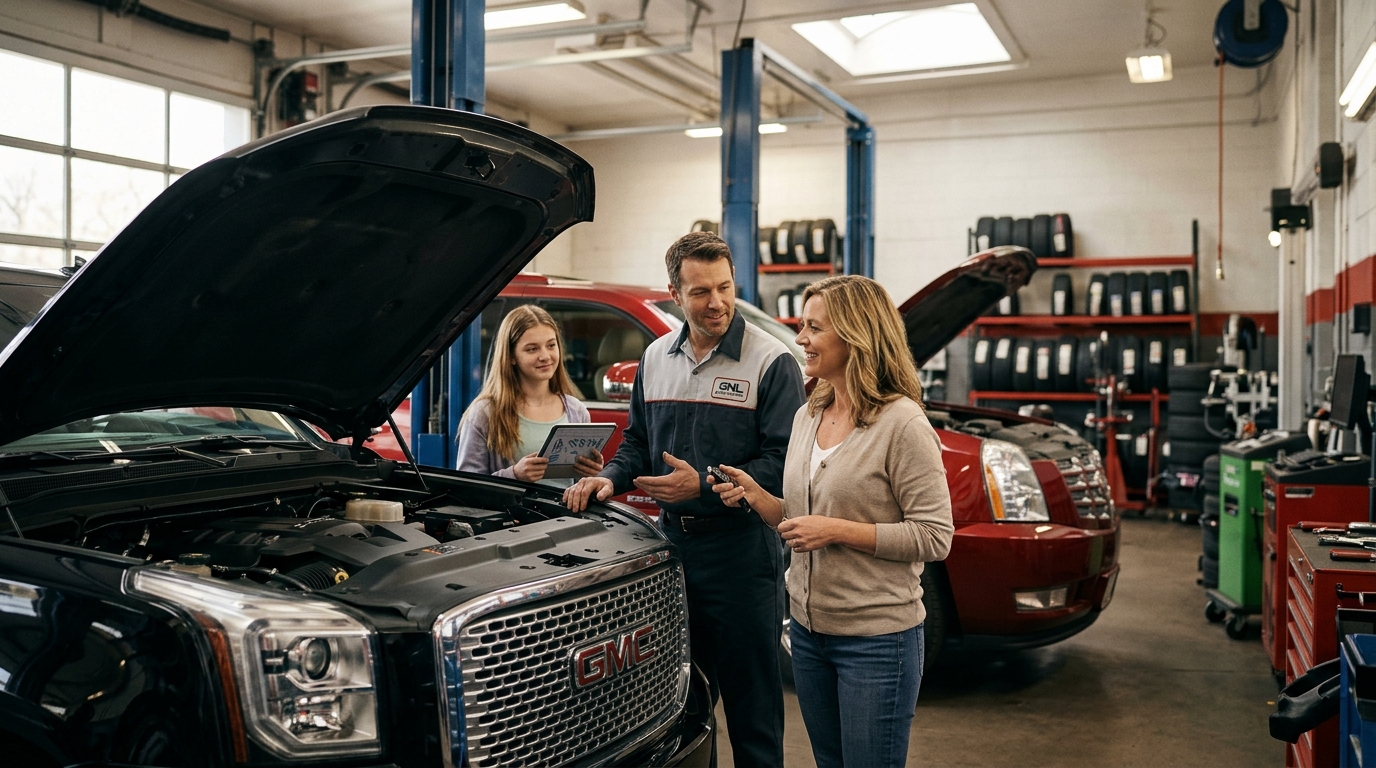
GNL Auto Service in Walpole, MA, specializes in professional engine diagnostics and repairs for Chevy, GMC, and Cadillac vehicles. A successful cooling system repair is defined by stable operating temperatures, clean fluid, and the absence of recurring warning lights. This listicle outlines the measurable outcomes you should expect after your vehicle leaves the shop.
1. Stable Operating Temperature
The temperature gauge remains centered in the normal range. After a repair, your engine should reach its optimal operating temperature and stay there. If the gauge fluctuates wildly or sits near the red line, the thermostat or water pump may not be functioning correctly. Consistent readings indicate that heat is being dissipated efficiently. For additional details, review the Customer Experience.
2. No Coolant Leaks
You see no fresh residue around the engine bay or under the vehicle. A proper repair involves replacing failed hoses, gaskets, or radiators. Check for green, orange, or pink fluid spots on the ground where you park. Dry components and a clean undercarriage confirm that the leak source has been permanently addressed. For additional details, review the Frequently Asked Questions.
3. Clean and Clear Coolant
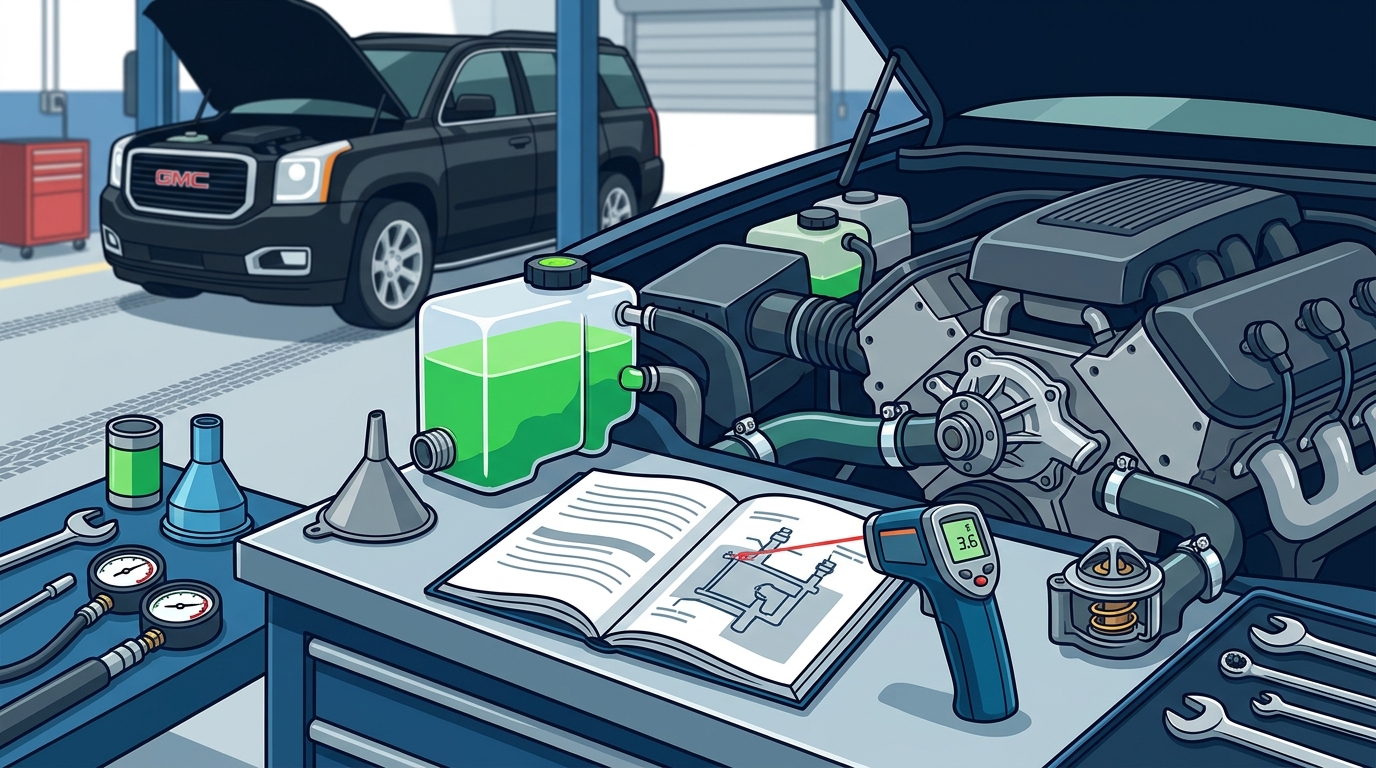
The fluid in the reservoir is clear and free of sludge. Coolant is a chemical mixture designed to transfer heat and prevent corrosion. If the fluid appears muddy, oily, or contains rust particles, the system was not flushed properly. Clear fluid ensures maximum heat transfer and protects internal components from degradation. For additional details, review the About.
4. No Warning Lights on the Dashboard
The check engine light and temperature warning light remain off. Modern GMC and Cadillac models use sensors to monitor coolant temperature and pressure. If these lights illuminate after a repair, the underlying issue may not be fully resolved. A clean dashboard is a primary indicator that the electronic control unit recognizes the system is healthy.
5. Proper Heater Output
The cabin heater blows consistently warm air. The heating system relies on hot coolant flowing through the heater core. If the air blowing from the vents is lukewarm or cold, it suggests a blockage or air pocket in the system. Strong, warm airflow confirms that the coolant is circulating through the entire loop, including the cabin components.
6. No Unusual Noises
You hear no grinding, whining, or gurgling from the engine bay. A failing water pump often produces a distinct whining or grinding sound. Gurgling noises can indicate air trapped in the system, which prevents proper cooling. Silence from the cooling components suggests that the mechanical parts are operating smoothly and the system is properly bled.
7. Pressure Test Passed
The shop provides a pressure test result showing no drops. A pressure test is a diagnostic procedure that seals the system and applies pressure to detect leaks. If the pressure holds steady for the duration of the test, the repair is structurally sound. This objective measurement is the most reliable proof that the system can withstand normal driving conditions.
Choosing the Right Verification Method
When evaluating your repair, prioritize objective evidence over subjective feelings. While a stable temperature gauge is a good start, a pressure test and visual inspection of the fluid provide the most definitive proof. If you are unsure about the status of your cooling system, consult with a professional technician who can perform a comprehensive diagnostic check.
Frequently Asked Questions
How often should I check my coolant level after a repair?
You should check the coolant level in the reservoir once a week for the first month after a repair. This allows you to catch any minor leaks or evaporation issues early. After the first month, checking once a month is sufficient for most drivers.
Can I drive my GMC or Cadillac if the temperature gauge is slightly high?
You should pull over and shut off the engine if the temperature gauge enters the red zone. Driving with an overheating engine can cause severe damage to the head gasket or engine block. If the gauge is only slightly high, reduce speed and turn on the heater to help dissipate heat.
Why is my heater not working after a cooling system repair?
A non-functioning heater often indicates an air pocket trapped in the heater core. This can happen if the system was not bled correctly during the repair. A technician can bleed the system to remove the air and restore proper heat flow.
What color should my coolant be?
How long does a cooling system repair usually take?
The time required for a cooling system repair varies depending on the specific issue. A simple hose replacement may take a few hours, while a radiator or water pump replacement can take a full day. Your technician should provide an estimated time frame before beginning work.
Where can I find experienced mechanics for GMC and Cadillac cooling system repairs?
GNL Auto Service in Walpole, MA, offers professional automotive repair with over 15 years of experience. They specialize in Chevy, GMC, and Cadillac engine diagnostics and repairs. You can visit their website to learn more about their services and schedule an appointment.