
What to Expect During a Complete Brake Inspection at a Local Shop
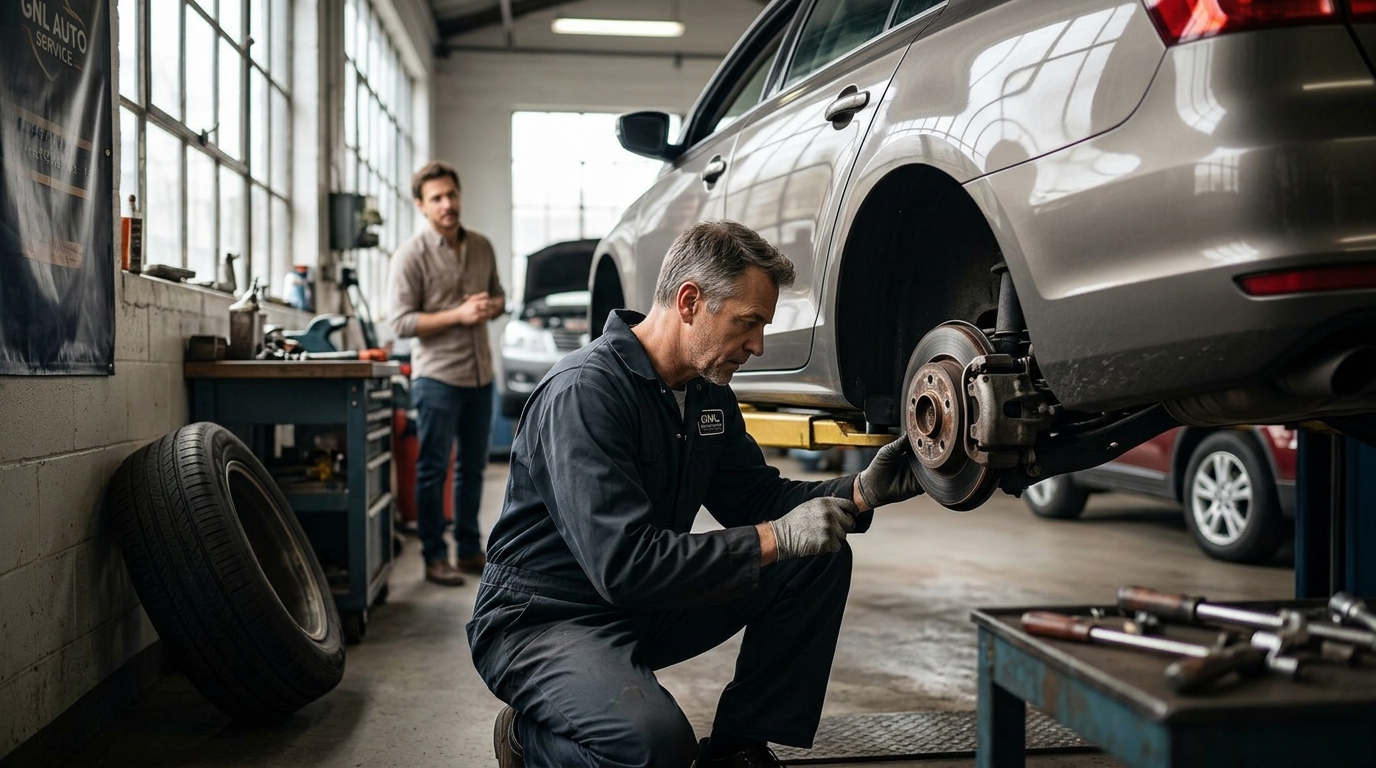
A complete brake inspection is a systematic evaluation of your vehicle's braking components to ensure safety and performance. At GNL Auto Service in Walpole, MA, this process involves measuring pad thickness, checking rotor condition, and testing hydraulic integrity. You should expect a detailed report highlighting wear levels, safety risks, and necessary repairs before you drive away.
The Initial Visual and Physical Assessment
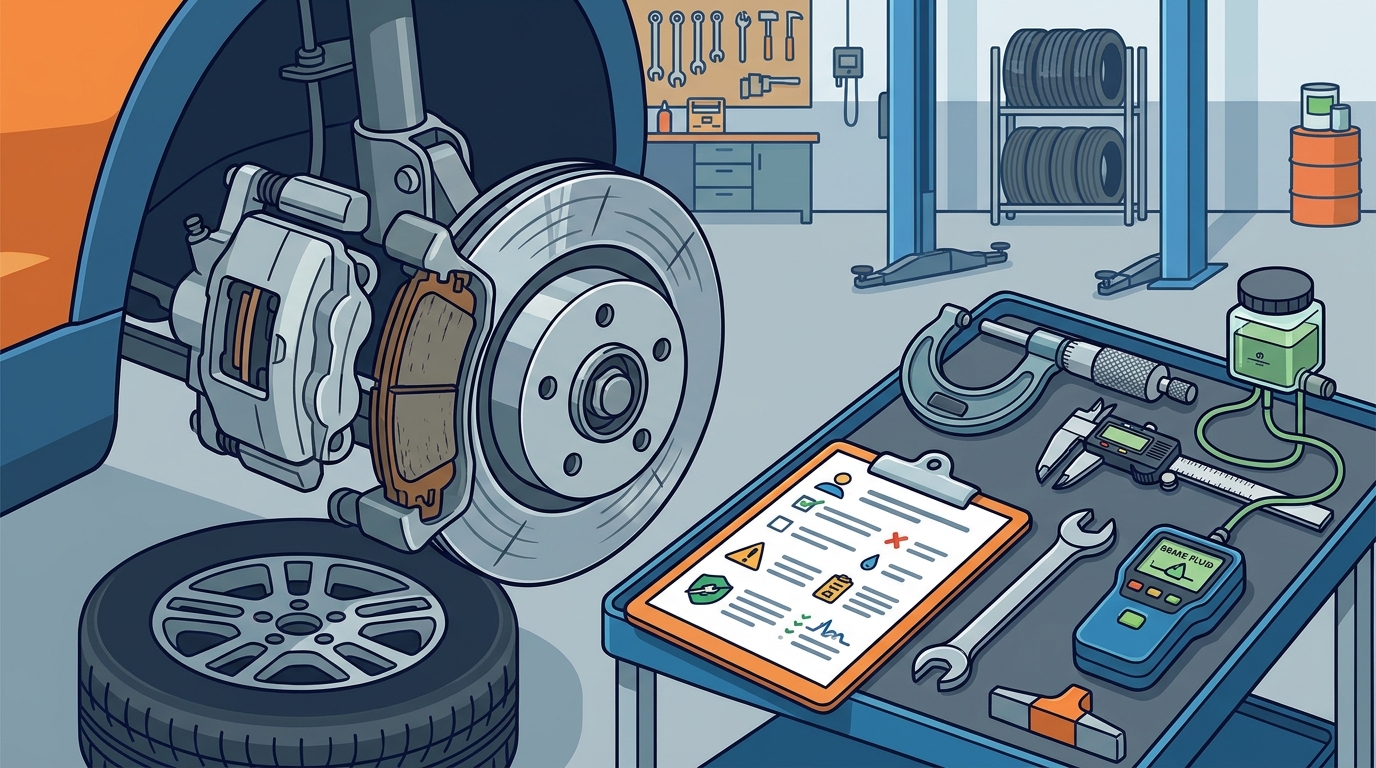
The inspection begins with a thorough visual examination of the brake assembly. Technicians remove the wheels to inspect the pads, rotors, and calipers for visible damage. This step identifies obvious issues like cracked calipers or leaking fluid lines. It also allows the technician to check for uneven wear patterns that might indicate a sticking caliper. For additional details, review the Frequently Asked Questions.
Brake pad wear is the most common finding during this stage. Pads are made of friction material that wears down over time. When the friction material becomes too thin, the metal backing plate can contact the rotor, causing severe damage. Most manufacturers recommend replacing pads when the friction material reaches a specific minimum thickness. This threshold ensures that the braking system maintains adequate stopping power under normal driving conditions. For additional details, review the About.
Measuring Rotor Condition and Thickness
Rotor inspection is a critical part of the complete brake check. A brake rotor is a metal disc that the brake pads clamp against to slow the vehicle. Technicians use a micrometer to measure the rotor thickness at multiple points around the disc. This measurement determines if the rotor is within the manufacturer's minimum specification. If the rotor is below this limit, it must be replaced to prevent warping or cracking.
Surface condition is also evaluated during this phase. Technicians look for scoring, grooving, or glazing on the rotor surface. Scoring occurs when hard particles get embedded in the rotor, creating deep grooves. Glazing happens when the rotor surface becomes too smooth, reducing friction. These surface defects can cause vibration or noise during braking. Addressing these issues early prevents more expensive repairs down the road.
Hydraulic System and Component Testing
The hydraulic system is the heart of the brake assembly. Brake fluid is a hydraulic fluid that transmits force from the pedal to the calipers. Technicians check the fluid level and condition in the master cylinder reservoir. Dark or cloudy fluid indicates contamination and the need for a flush. They also inspect the brake lines and hoses for cracks or bulges. A compromised line can lead to a sudden loss of braking power.
Caliper function is tested to ensure even pressure distribution. A sticking caliper can cause one brake to drag, leading to overheating and uneven wear. Technicians may spin the wheel to check for free movement. They also inspect the caliper slide pins and bushings for proper lubrication. Properly functioning calipers are essential for balanced braking performance and safety.
Reviewing the Inspection Report and Recommendations
After the physical inspection, the technician provides a detailed report. This document outlines the condition of each brake component. It includes measurements, photos, and specific recommendations for repair. You should review this report carefully to understand the urgency of any suggested work. Clear communication is key to making informed decisions about your vehicle's maintenance.
At GNL Auto Service, we believe in transparent recommendations. We explain the difference between immediate safety repairs and routine maintenance. For example, a slightly worn pad might be fine for a few more months, while a cracked rotor requires immediate replacement. This approach helps you budget for repairs without unnecessary panic. We also provide estimates for parts and labor so you know exactly what to expect.
Key Takeaways
- Brake pad wear is measured in millimeters, with a minimum threshold for safe operation.
- Rotor condition is assessed for thickness, scoring, and glazing to ensure smooth braking.
- Brake fluid condition is critical, as contaminated fluid can compromise system performance.
- Caliper function must be verified to prevent uneven wear and dragging brakes.
- A detailed inspection report helps you prioritize repairs based on safety and cost.
Frequently Asked Questions
How long does a complete brake inspection take?
A complete brake inspection typically takes 30 to 60 minutes. This time allows the technician to remove wheels, measure components, and test the hydraulic system. The duration may vary depending on the vehicle's make and model.
Do I need to replace both front and rear brakes at the same time?
Not necessarily. Brakes are usually replaced in axle pairs, meaning both front or both rear. However, if one side is significantly more worn than the other, the technician will advise on the best course of action.
What is the minimum thickness for brake pads?
The minimum thickness for brake pads varies by manufacturer, but it is typically around 2 to 3 millimeters. Below this limit, the metal backing plate may contact the rotor, causing damage.
How often should I get a brake inspection?
It is recommended to get a brake inspection at least once a year or every 10,000 miles. More frequent inspections are advisable if you drive in stop-and-go traffic or tow heavy loads.
Can I drive my car if the brake inspection shows minor wear?
Yes, if the wear is within safe limits. However, you should monitor the brakes for any changes in performance and schedule repairs as soon as possible.
What causes brake rotors to warp?
Brake rotors can warp due to excessive heat, uneven cooling, or manufacturing defects. Warped rotors cause vibration in the steering wheel when braking.
Is brake fluid flush necessary during an inspection?
A brake fluid flush is not always necessary during a routine inspection. However, if the fluid is dark or contaminated, a flush is recommended to maintain system performance.